🧴 SOP: Gas Bottles


In the event of danger:
- Call emergency services: 030 314 2 3333 or 112.
- Stay calm.
- Warn other people. If necessary, set off the fire alarm.
- The supervisor must be informed immediately.
- Note any events or near misses in the Lab Log
1. Designation / Area of Application
- Work with pressurized gas bottles
- Work with carbon monoxide (CO) and ammonia (NH_3)
2. Dangers for Humans and Environment
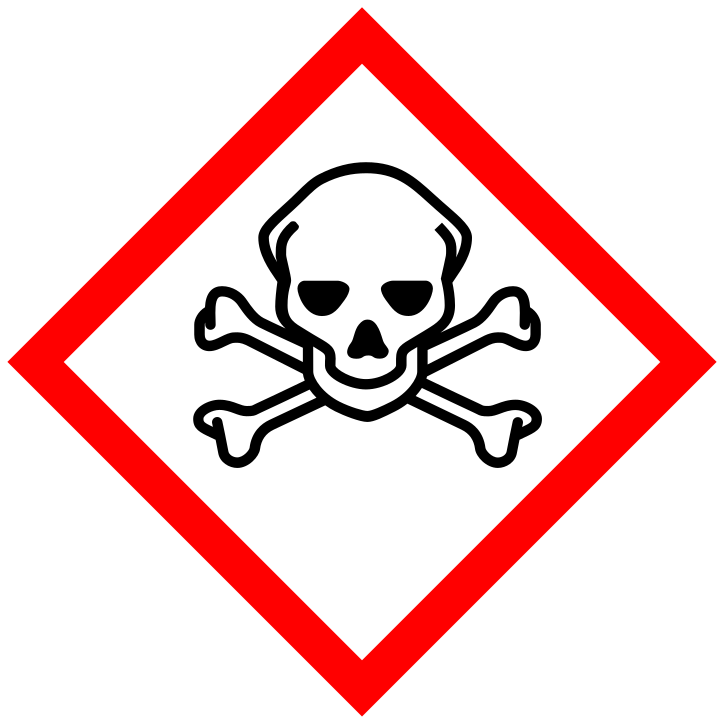
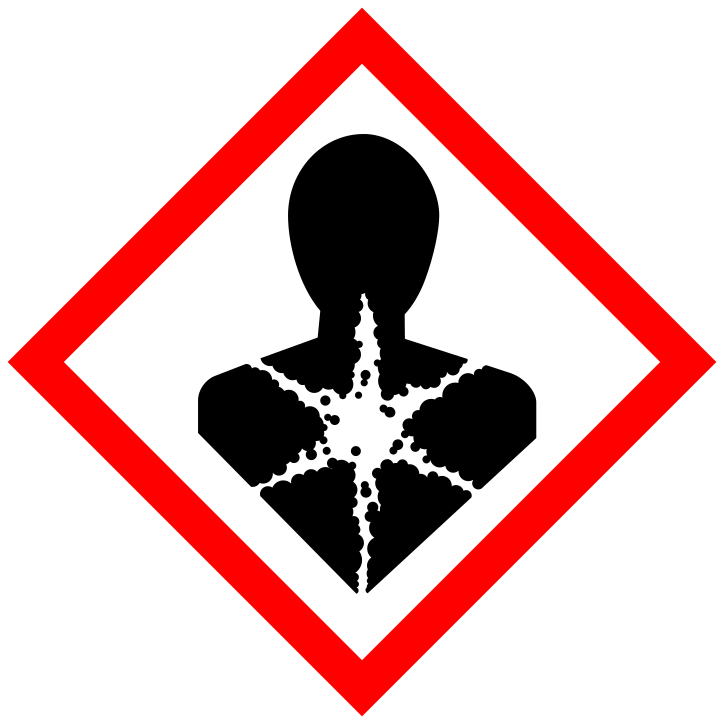
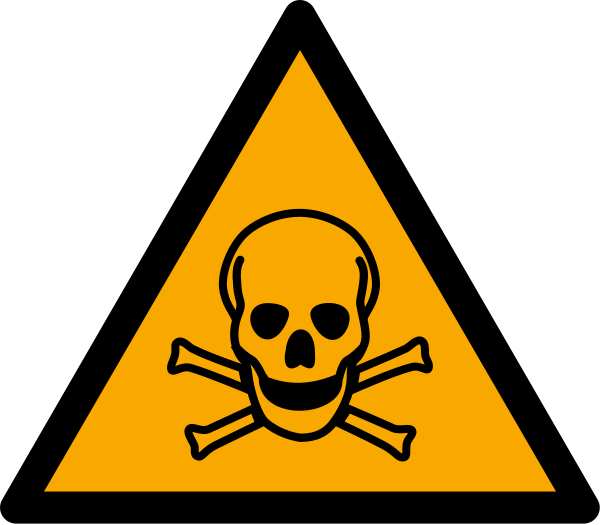
- Life-threatening / Toxic / Harmful substances when inhaled
- Danger of asphyxiation due to lack of oxygen
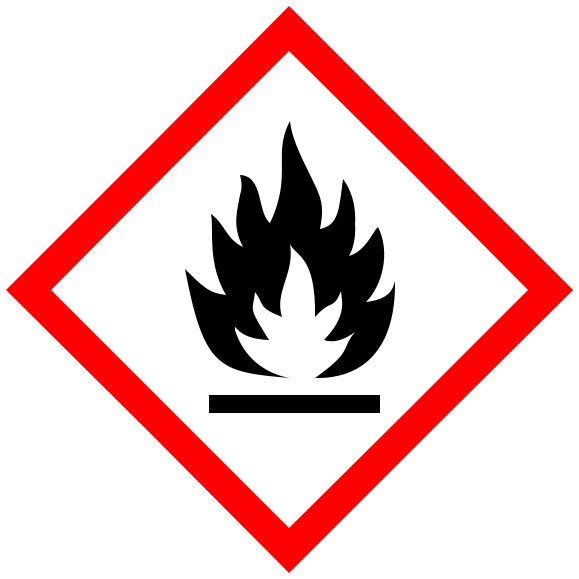
- Danger of fire due to highly flammable gas
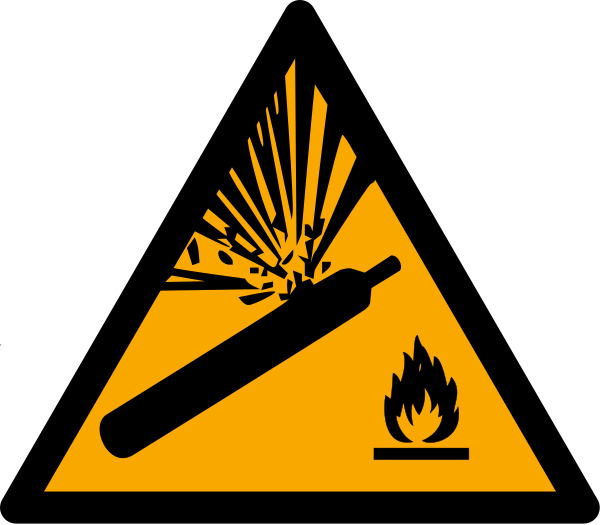
- Risk of injury due to gas escaping under high pressure
- Risk of to cold burns due to expanding gases
- Risk of explosions due to of heat or fire
- Risk of injury during mechanical work during transport and installation
3. Protective measures and rules




Technical measures
- Always use mobile gas sensors when working with CO or NH_3
- Storage of gas mixtures with CO content over 500 ppm or NH_3 content over 1 % is not allowed
- When working in enclosed spaces, ensure good ventilation
- Only transport/store compressed gas bottles with the protective cap screwed on and using a cylinder trolley. Do not transport gases in elevators together with people.
- In all operating conditions, gas bottles must be secured against tipping over and protected from heat.
- Place compressed gas bottles in safety cabinets. Do not store gas bottles in the room.
- When changing gas bottles:
- Refer to
🗄️ SOP: Gas Cabinet. - An accompanying person must always be present outside the laboratory.
- Always open the window.
- Always check the valves of filled and empty gas bottles for leaks
- Refer to
- Only open/close gas bottles by hand, do not use force.
- Flush the gas system with dry inert gas (N_2) before introducing the gas and when system has been taken out of operation.
- Only use tested fittings approved for the type of gas.
- Check the entire gas system for leaks before use and regularly afterwards!
- Close valves after each use and after emptying.
- Do not grease/oil, especially with oxidizing gases such as O_2.
- Secure flashback arresters and hoses with clamps and ties.
Organizational measures
- Only handle gas bottles after instruction and training.
- Store oxidizing and flammable gases separately – 2 m away.
- Only use compressed gas cylinders with clearly visible labels.
- Check that the sealing rings are present and are not damaged.
- Open the main valve carefully and slowly, then open the extraction valve.
- Do not completely empty the cylinders.
- If inspection periods have expired, arrange for inspection by the supplier.
Personal protective measures
- Wear safety shoes.
- Wear safety glasses with side protection.
- Wear work gloves when handling compressed gas cylinders.
- Wear flame-retardant, antistatic protective clothing.
- Never blow clothing down with compressed gases, especially oxygen.
4. In the event of Danger

- Do not use gas bottles with deformations, noticeable discoloration, damaged or noticeably stiff valves. Replace defective fittings.
- Keep calm.
- Call the emergency services using the TU app: 3333, mobile: 030 314 2 3333 or 112.
- Warn other people. If necessary, set off the fire alarm.
- Pay attention to self-protection when taking any first aid measure.
- Troubleshooting and accidental releases may only be carried out by qualified personnel or by employees designated for this purpose.
- The supervisor must be informed immediately.
- Document the danger using the Lab Log.
Substances may require special handling
Observe any special instructions required in handling of individual substances!
Accidental release
- Eliminate all sources of ignition.
- Ensure adequate ventilation (stay on the windward side when outdoors).
- Clear the endangered area, warn the affected area.
- To eliminate the dangerous situation, the danger area may only be entered wearing a suitable chemical protection and self-contained breathing apparatus.
- Try to stop the gas from escaping. Otherwise, place leaking bottles under suction or take them outside.
- Monitor the NH_3 concentration of the discharged gas.
- Gas spreads throughout the room.
In the event of a fire/explosion hazard
- In the event of a fire, alert the fire brigade to the presence of pressure vessels.
- Cool pressure vessels at risk with a water spray from a protected position.
- If possible, move the containers out of the danger zone.
- Eliminate sources of ignition.
- Only extinguish the fire if the gas flow can be interrupted.
- Allow it to burn out in a controlled manner if necessary.
- Be careful of frostbite if you come into contact with liquid.
- Only use explosion-proof equipment.
- Fire protection assistants: see green “emergency call board”
5. First aid



- Whenever you administer first aid, ensure that you protect yourself.
- Try to stop the gas from escaping. Provide immediate assistance.
- In an emergency, call 3333, on mobile: 030 314 2 3333 or 112.
- Treat minor injuries.
- Document the first aid using the Lab Log.
- In the event of major injuries, seek medical attention (see green “emergency call board”).
Substances may require special handling
Observe any special instructions required in handling of individual substances!
Contact with skin or clothing
- Wash exposed skin areas carefully with soap and water and remove heavily exposed clothing to be on the safe side.
Eye contact
- Rinse under running water (emergency eye shower) for at least 15 minutes with the eyelids open. See an ophthalmologist immediately!
Inhalation
- Take the injured person out of the danger area and into the fresh air while protecting yourself.
- Lay the injured person down calmly and protect them from hypothermia.
- If unconscious and breathing, place them in the recovery position.
- In the meantime, call an ambulance.
- If breathing is difficult, have them inhale oxygen.
- If breathing stops, give mouth-to-nose resuscitation; if not possible, give mouth-to-mouth resuscitation. Keep the airways clear.